
Layering Light: Mastering Color Temperature Lighting to Create the Perfect Mood

Lighting is one of the most powerful tools in interior design, yet it’s often overlooked as merely functional or decorative. As an interior designer, I know that lighting is much more than selecting pretty fixtures—it’s about understanding how different color temperatures can transform a space, influence mood, and enhance functionality.
In this post, I’ll guide you through the essentials of color temperature lighting and how layering these temperatures can create the perfect ambiance in your home.
Understanding Color Temperature Lighting
Color temperature is measured in Kelvins (K) and describes the warmth or coolness of a light source. The three most common temperatures used in residential lighting are:
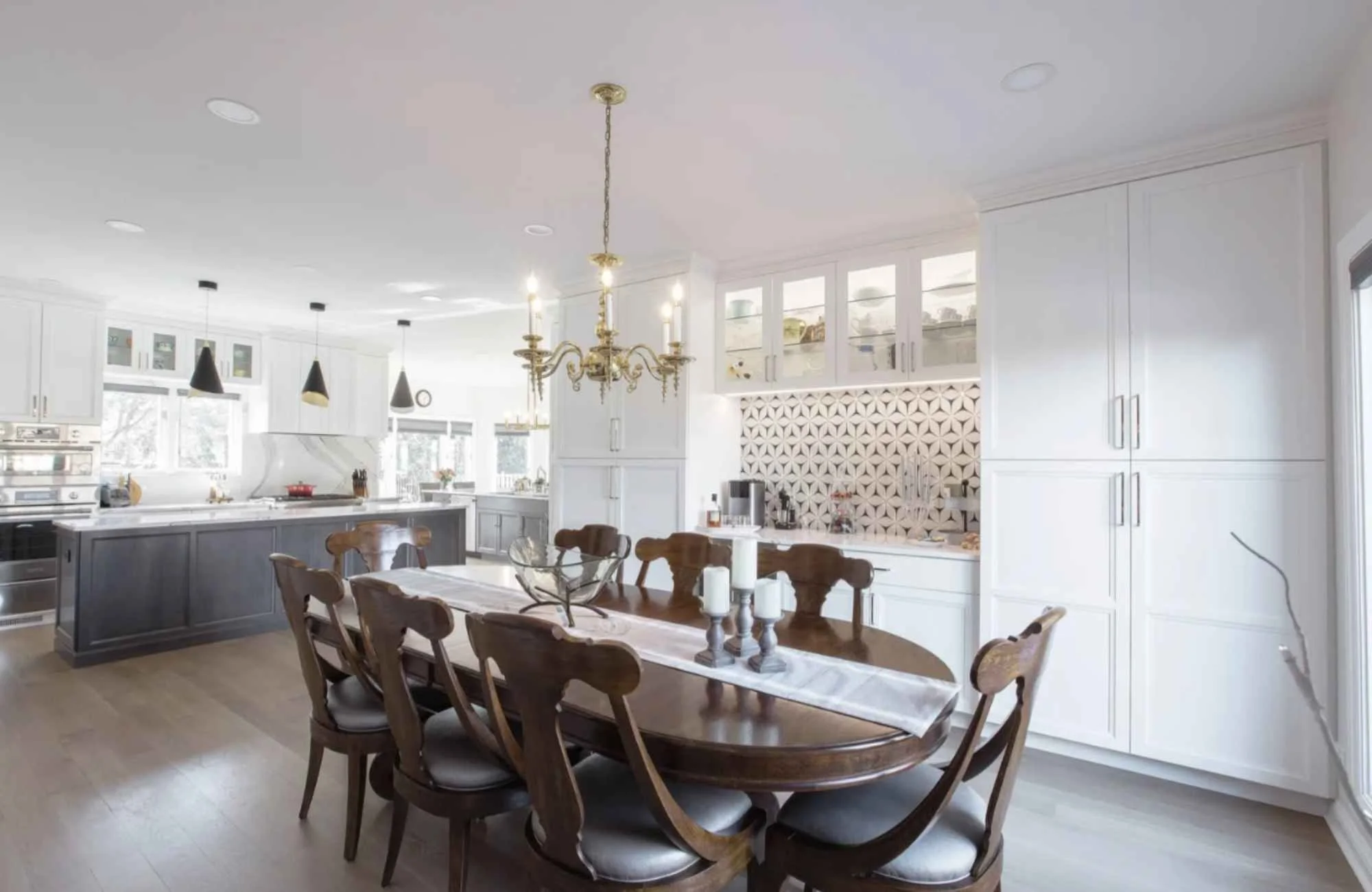
2700K: Warm White — This temperature emits a soft, cozy glow reminiscent of traditional incandescent bulbs. It’s perfect for living rooms, bedrooms, and dining areas where relaxation and comfort are priorities.
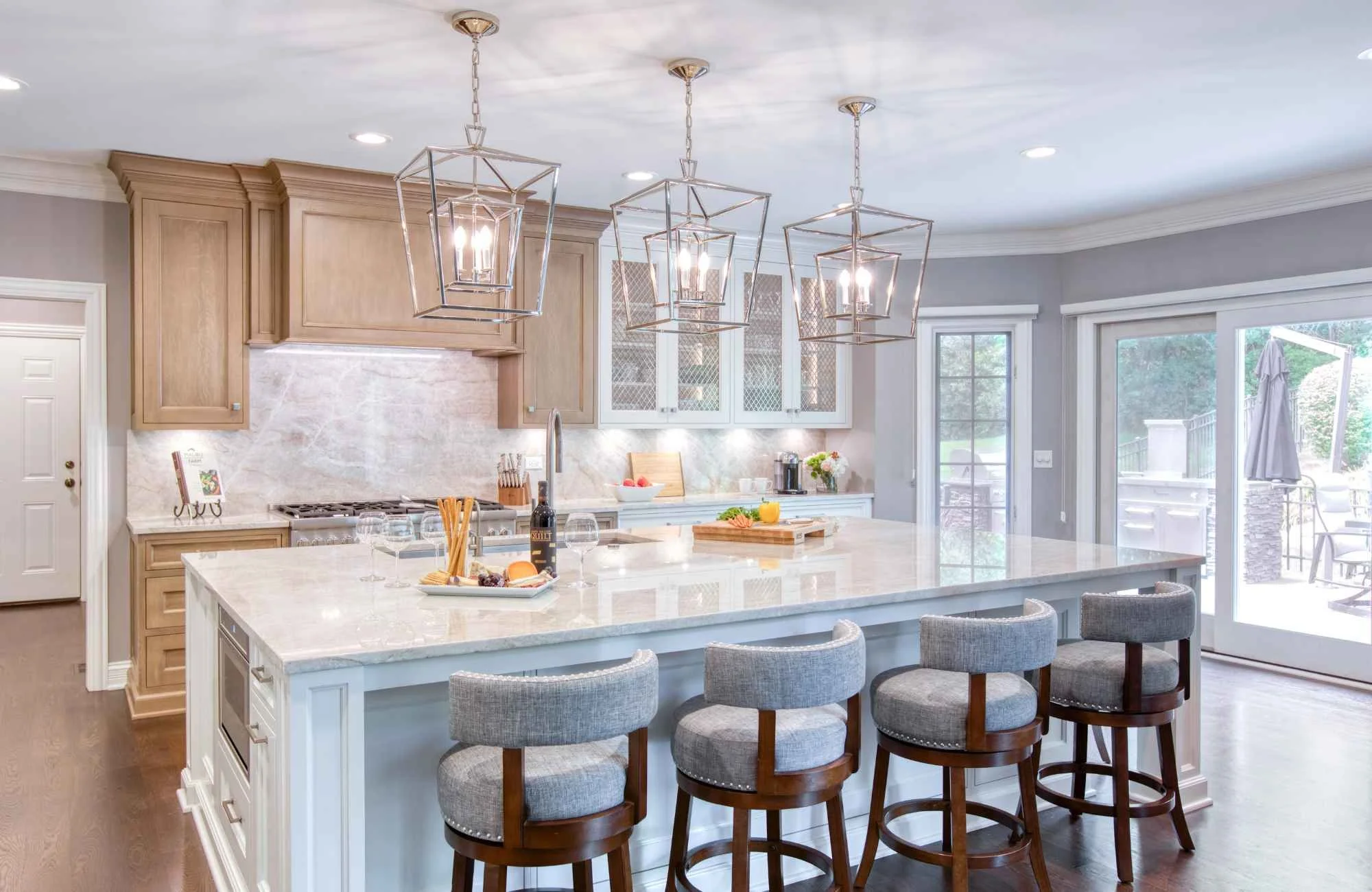
3500K: Neutral White — Offering a balance between warm and cool, 3500K provides a clean, inviting light that works well in kitchens, bathrooms, and workspaces where clarity and warmth are both important.
5000K: Daylight — This cool, bright light mimics natural daylight and is ideal for task-oriented areas like home offices, garages, or laundry rooms where focus and visibility are key.
How Different Temperatures Affect Your Space
Each color temperature sets a distinct mood and serves a unique purpose:
Warm White (2700K) creates an intimate, calming atmosphere that encourages relaxation and socializing.
Neutral White (3500K) offers versatility, balancing warmth with brightness to keep spaces lively yet comfortable.
Daylight (5000K) energizes and sharpens, enhancing concentration and detail visibility.
Layering Color Temperatures for Ambiance and Functionality
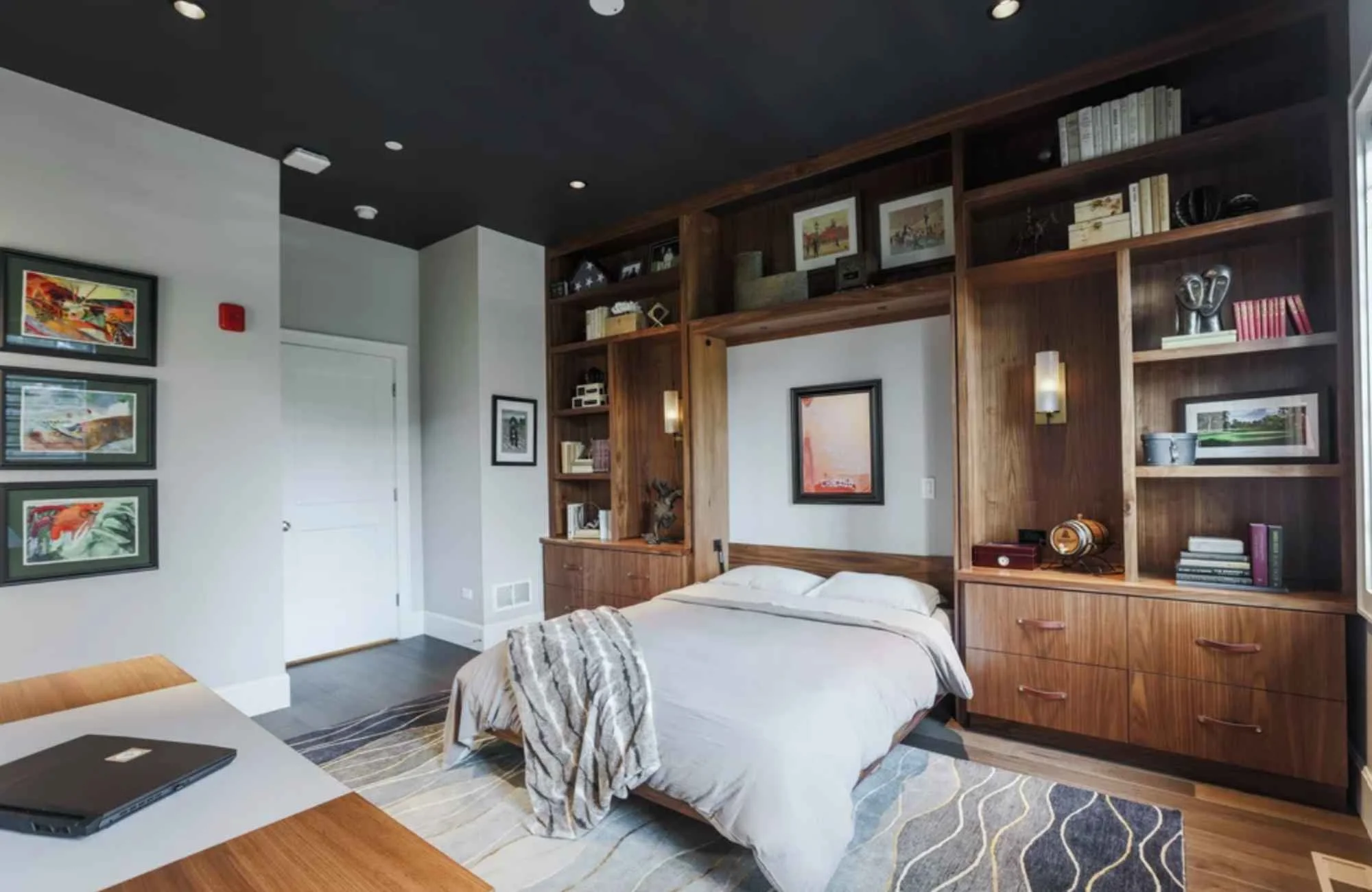
The true magic happens when we layer these lighting temperatures within a space. Combining ambient, task, and accent lighting at different color temperatures allows us to tailor the mood and utility of each room.
Ambient lighting provides overall illumination, often using warm or neutral temperatures to create a welcoming base.
Task lighting focuses on specific activities, such as reading or cooking, where cooler temperatures like daylight improve visibility.
Accent lighting highlights architectural features or artwork, and can vary in temperature depending on the desired effect.
By thoughtfully layering these elements, we can create dynamic spaces that adapt to your needs throughout the day and evening.
Maximizing Your Lighting Strategy
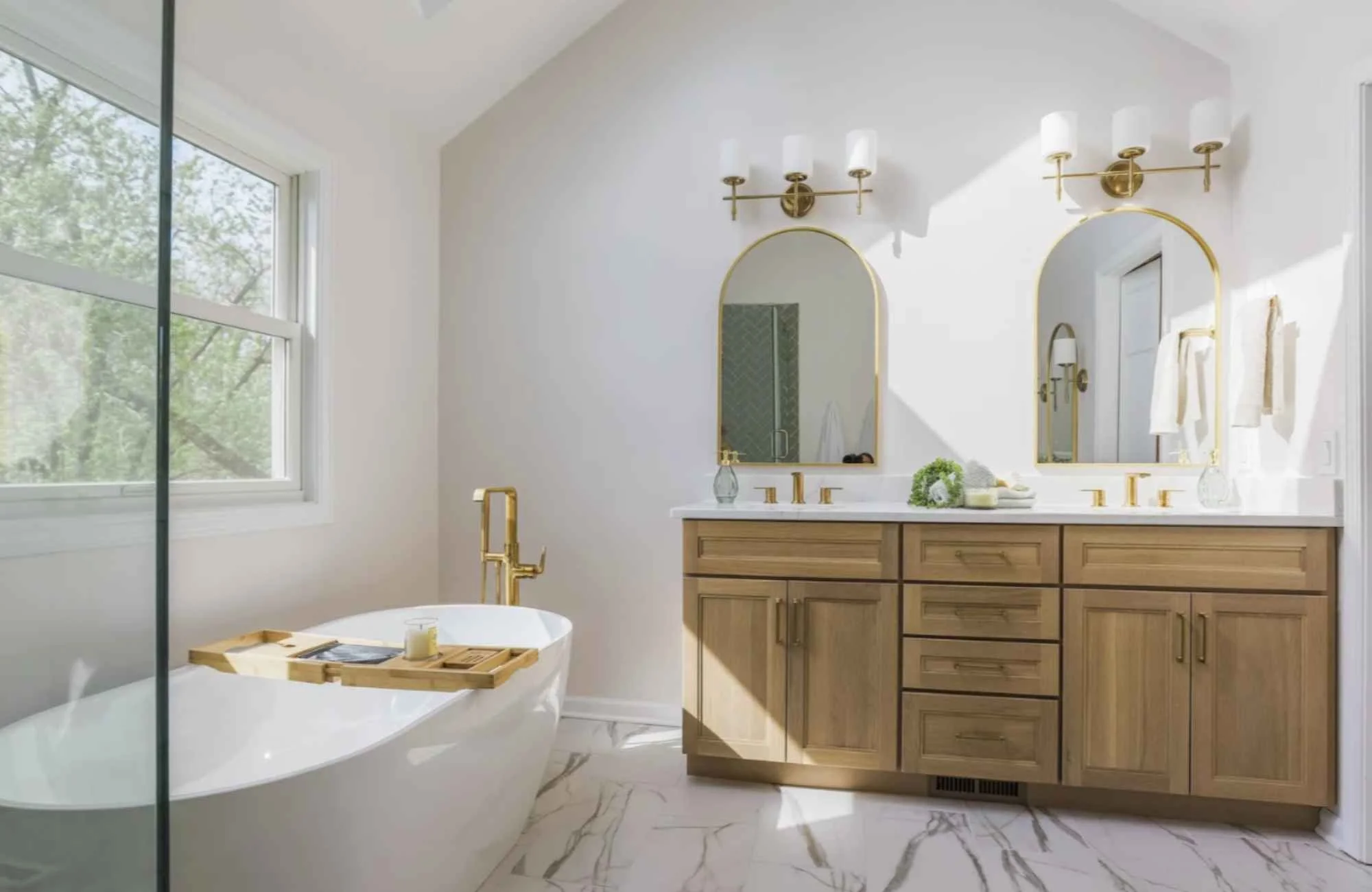
To make the most of color temperature lighting, we consider the function of each room and select temperatures that support those activities. Using dimmers and smart lighting controls can adjust temperatures and brightness for different times and moods, providing flexibility.
We always coordinate fixture styles and placement to complement your design while optimizing light distribution. Finally, we consider natural light in your design; we use window treatments and reflective surfaces to enhance or soften daylight.
Key Takeaways for Layering Lighting
Color temperature lighting is a critical design element that influences mood, function, and style.
Understanding the differences between 2700K, 3500K, and 5000K helps with selecting the right light for each space.
Layering ambient, task, and accent lighting at varying temperatures creates versatile, inviting environments.
Smart controls and natural light integration elevate your lighting strategy to the next level.
If you’re ready to transform your home with expert lighting design that goes beyond aesthetics, I’m here to help you create spaces that feel just right—beautiful, functional, and perfectly lit. Reach out to us here, and let’s begin the conversation.
Warmly,
Trisha