
Creating a Healthy Home: The Power of Natural Materials in Design
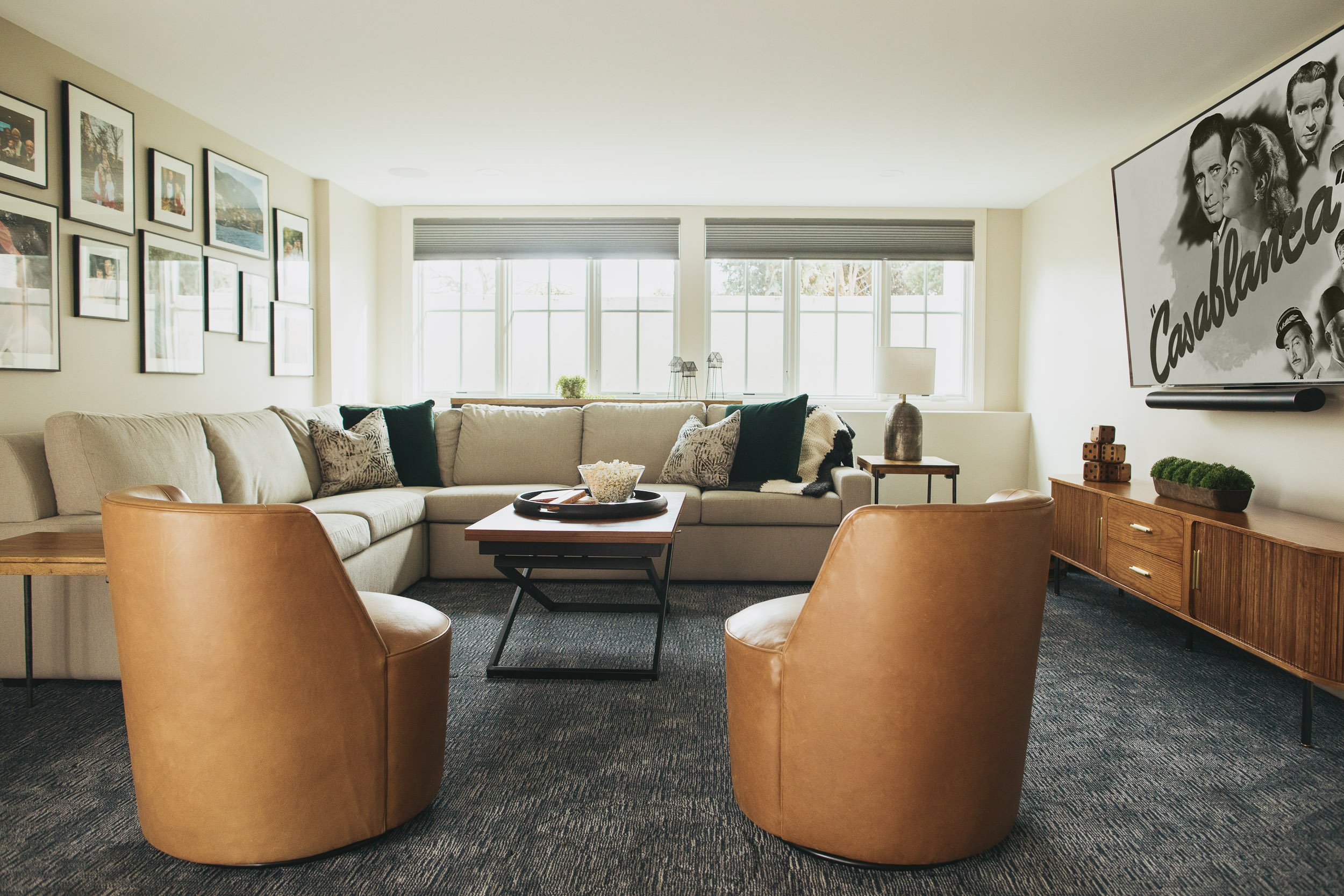
When it comes to designing a home that feels both beautiful and nurturing, the materials you choose make all the difference. Healthy home design with natural materials isn’t just a trend—it’s a thoughtful sustainable design approach that supports your well-being every day. As a designer, I’ve seen firsthand how natural materials transform spaces into warm, inviting, and healthier environments.
What Makes Materials “Natural” in Interior Design?
Natural materials come directly from the earth with minimal processing, offering authenticity and timeless appeal. In my projects, this includes natural fiber textiles like wool, linen, cotton, jute, and sisal; stone surfaces such as marble, quartzite, and travertine; wood in its many forms, including reclaimed pieces; and natural wallcoverings like grasscloth and seagrass. We also prioritize low-VOC and non-toxic paints and finishes to keep indoor air quality high.
These materials have been trusted for centuries—not only for their beauty but because they age gracefully, breathe naturally, and avoid the chemical off-gassing common in many synthetic alternatives.
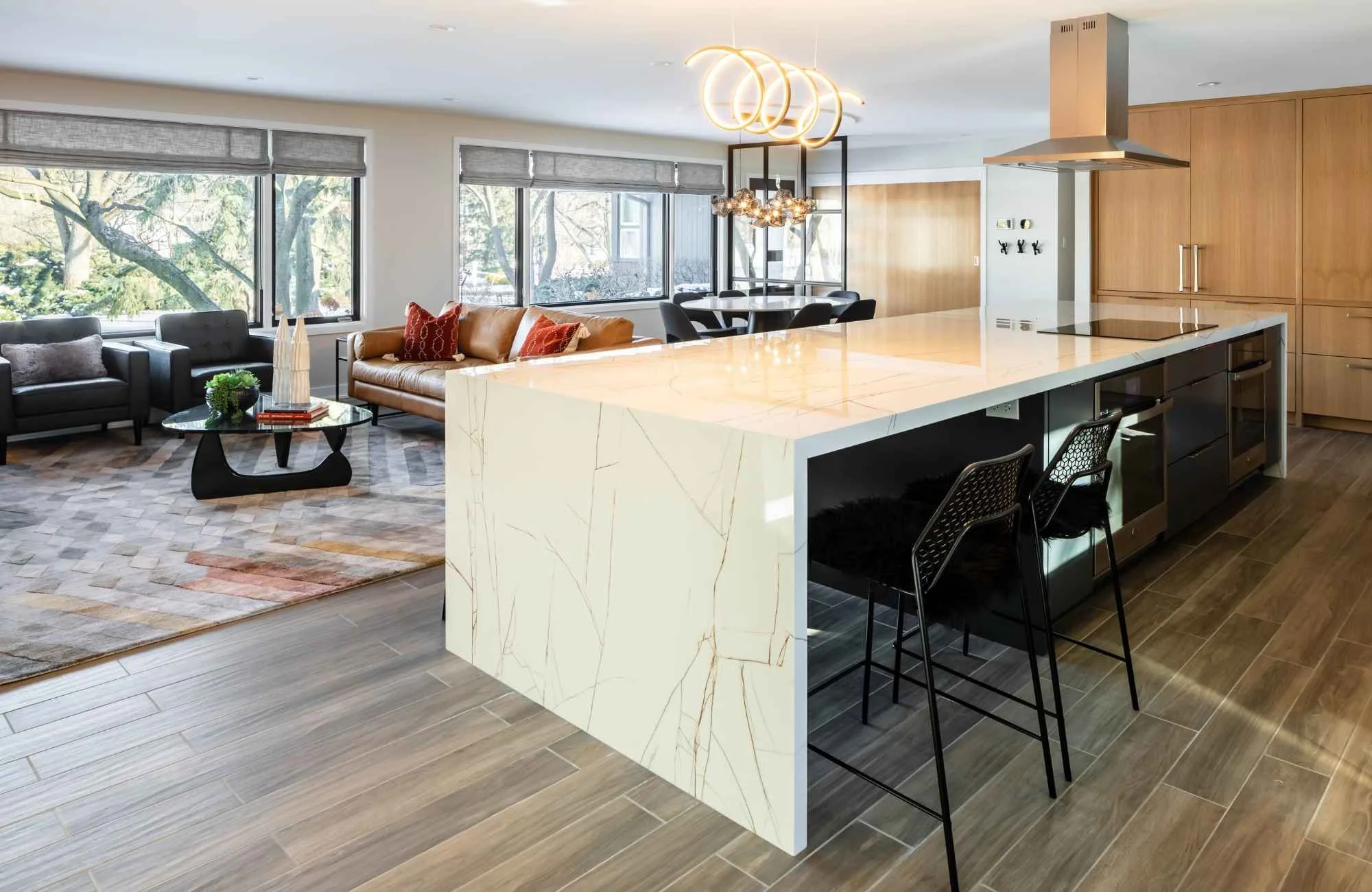
How Natural Materials Support Health and Well-Being
Indoor air quality is a crucial factor in a healthy home. Many synthetic materials release volatile organic compounds (VOCs) that can linger in the air and impact respiratory health. The EPA notes that indoor air can be two to five times more polluted than outdoor air, often due to the materials inside our homes.
Natural materials work differently. Wool rugs resist dust mites and mold, linen is breathable and hypoallergenic, and stone or hardwood floors are easy to clean without trapping allergens. Low-VOC paints ensure your freshly painted rooms don’t quietly release harmful chemicals over time. Choosing these materials means your home supports your family’s health without compromising style.
Timeless Beauty That Grows With Your Home
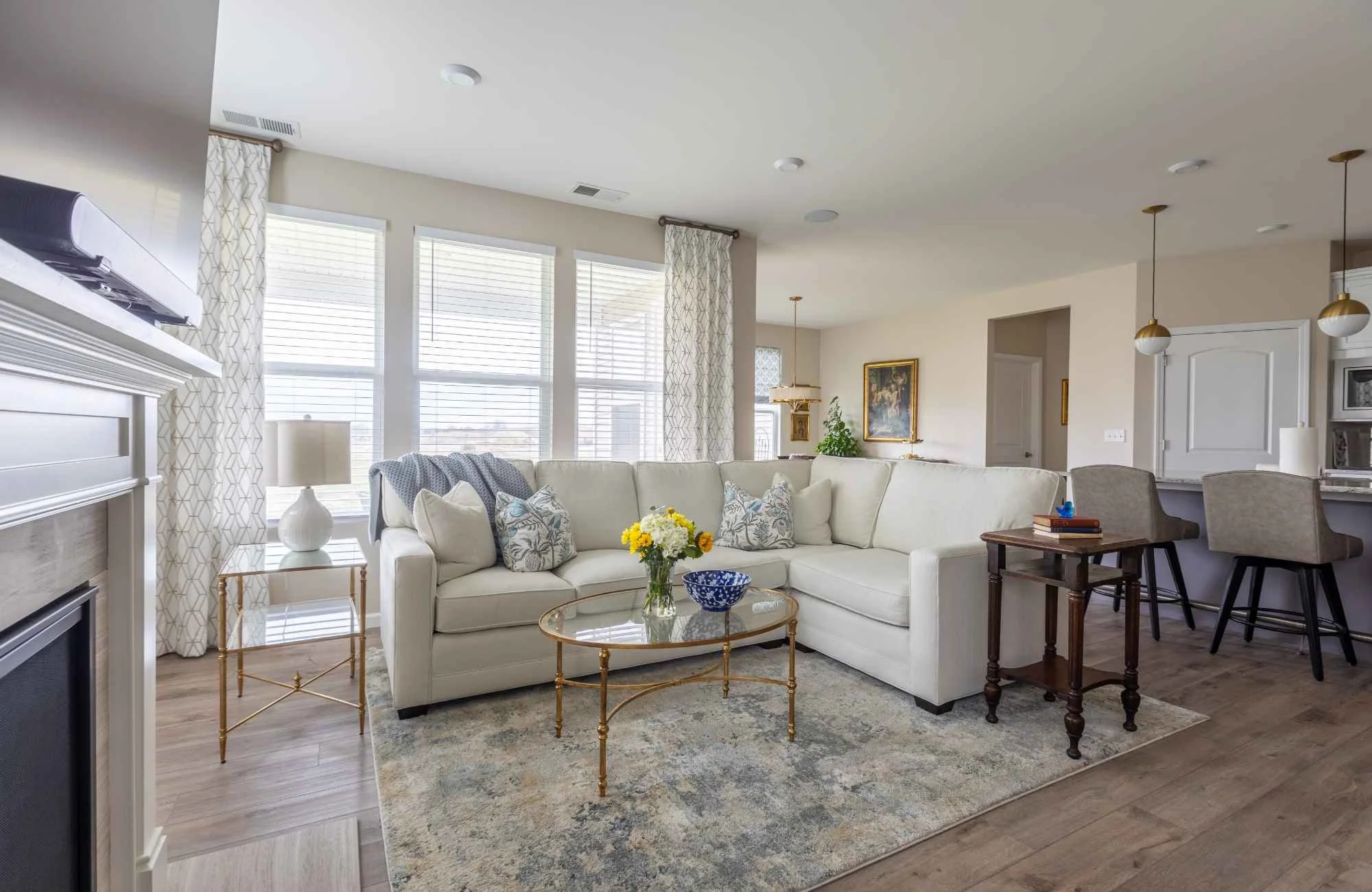
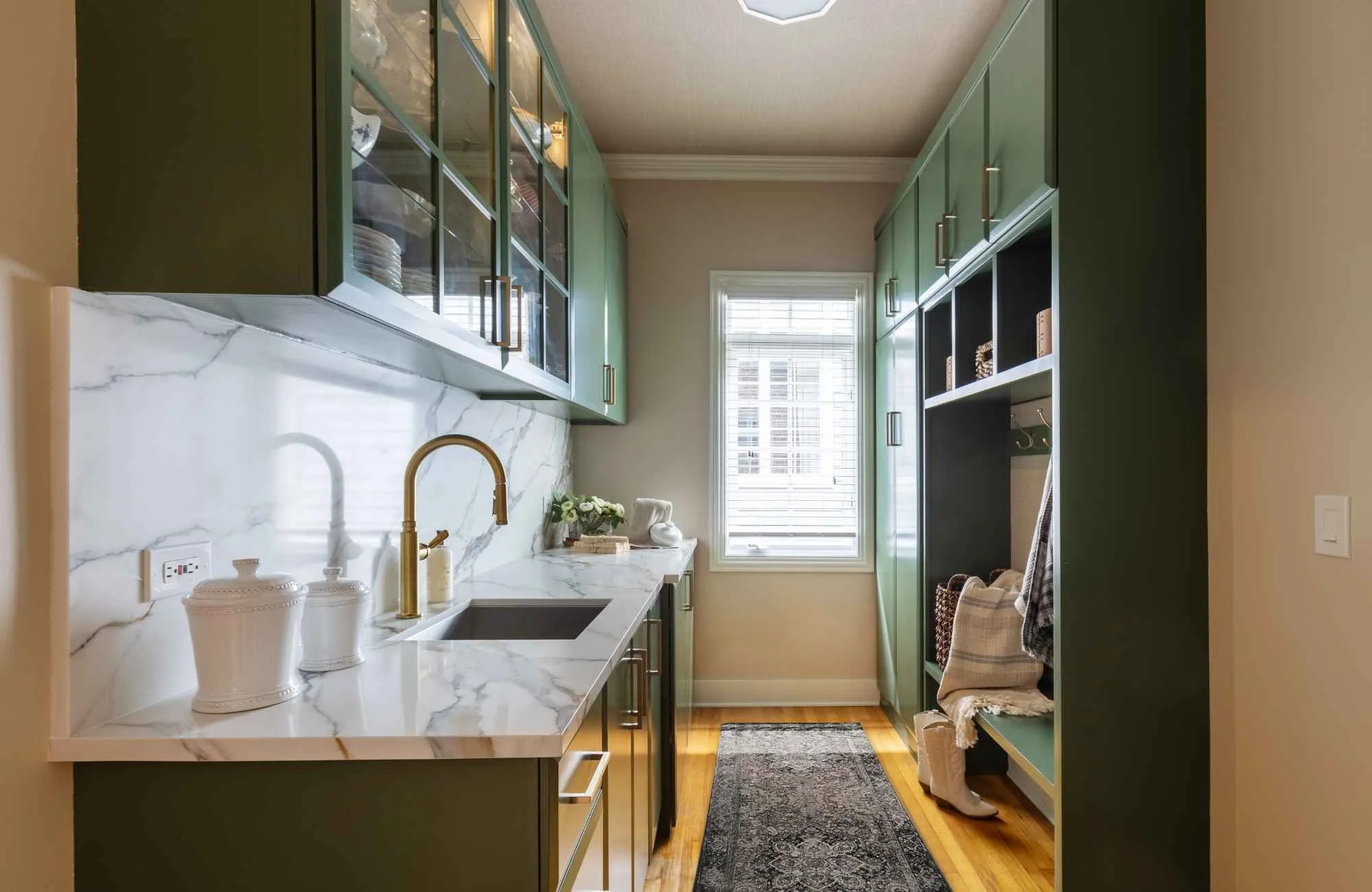
Beyond health benefits, natural materials bring a timeless elegance that synthetic options rarely match. Their textures and warmth create spaces that feel lived-in and soulful rather than staged. Natural stone, warm wood tones, and linen upholstery shift subtly with light and age gracefully, adding depth and character to your home.
This enduring beauty aligns perfectly with my warm, organic, and transitional design aesthetic, making every space feel uniquely yours.
Our Commitment to Wellness in Every Project
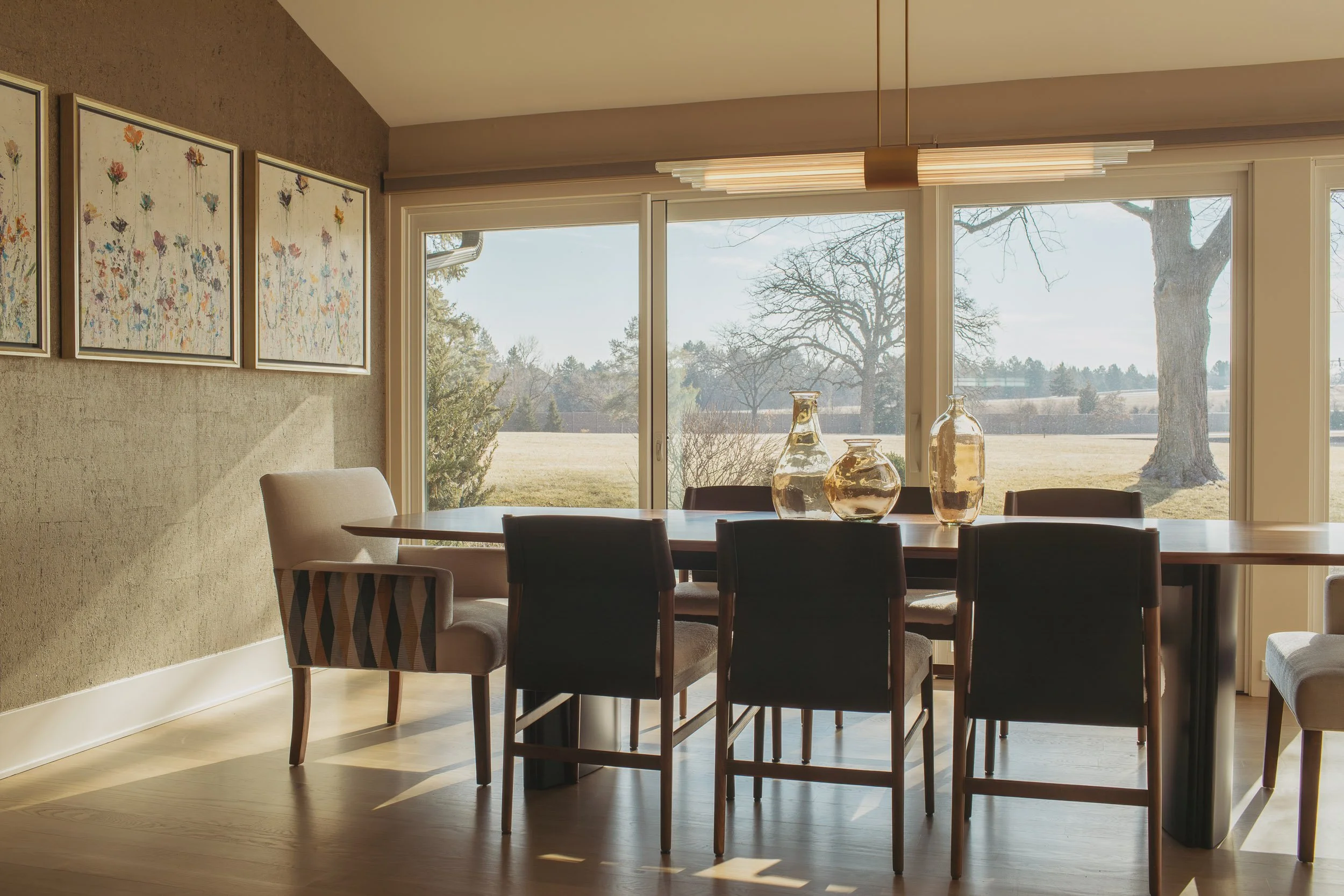
Whether it’s a kitchen remodel, bathroom update, or whole-home redesign, prioritizing natural and wellness-focused materials is central to my approach. Navigating the many options can feel overwhelming, especially when health considerations are involved. That’s where my expertise comes in—I stay current on material properties so you don’t have to.
Every recommendation balances aesthetics, performance, and the well-being of those who live in the space, ensuring your home is as healthy as it is beautiful.
Natural Materials: Your Questions Answered
Q: Are natural materials more expensive than synthetic ones?
A: While some natural materials can have a higher upfront cost, their durability and timeless appeal often make them a smart long-term investment.
Q: How can I tell if a paint is truly low-VOC?
A: Look for certifications like Green Seal or GREENGUARD, and ask your designer or supplier for product specifications.
Q: Can natural materials work in modern or minimalist designs?
A: Absolutely. Natural materials add warmth and texture that complement clean, modern lines beautifully.
If you’re ready to create a home that supports your health and reflects your style, let’s talk about how natural materials can make all the difference. Reach out to us here, and let’s begin the conversation.
Warmly,
Trisha